Meaning of Bounce Rate

Simple definition

Bounce rate is the percentage of visitors who leave a website after viewing only one page, without interacting further. It indicates how engaging or relevant a website is to its visitors.

How to use Bounce Rate in a professional context

In digital marketing and web analytics, bounce rate is used to measure user engagement. A high bounce rate might suggest that the content or design of a website isn’t compelling enough to encourage visitors to explore more pages.

Concrete example of Bounce Rate

If a blog receives 1,000 visits in a day, and 400 visitors leave after reading just one article, the bounce rate is 40% (400 ÷ 1,000). This helps website owners understand that 40% of their visitors didn’t engage beyond the first page.

What is considered a good bounce rate?

A good bounce rate depends on the type of website. Generally, a bounce rate below 40% is considered excellent, while 41-55% is average. Higher rates might require improvement.

Does a high bounce rate always mean bad content?

Not always. A high bounce rate can also occur on single-page websites or blog posts where users find what they need quickly. It’s important to consider other metrics like time spent on the page.

How can I reduce my bounce rate?

To reduce bounce rate, improve website speed, make content more relevant, optimize for mobile devices, and add clear calls to action to guide users to other pages.
Related Blog articles
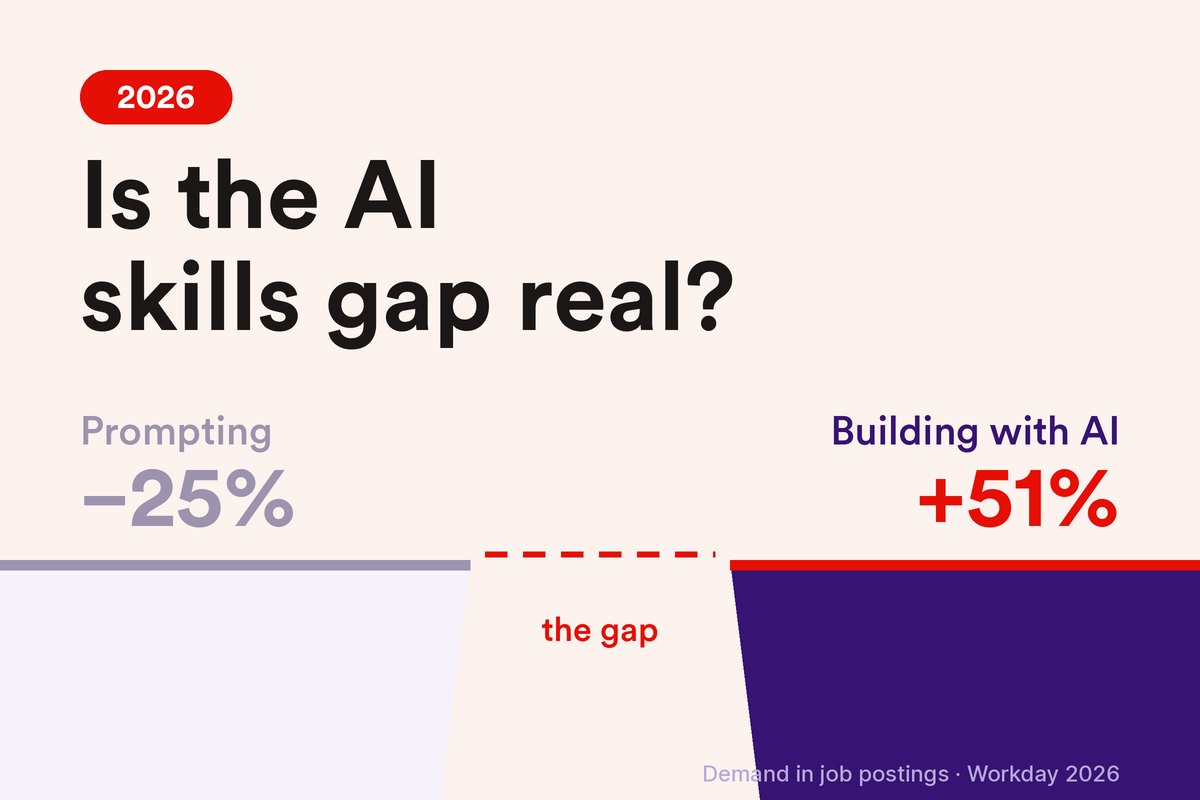
Is the AI Skills Gap Real in 2026? What the Latest Global Data Shows

Is the AI Skills Gap Real in 2026? What the Latest Global Data Shows

Is the AI skills gap real? The 2026 data says yes, but not where most...

AI Can Build a Solution. Understanding the Problem Is Still Your Job.

AI Can Build a Solution. Understanding the Problem Is Still Your Job.

AI can generate a solution, but is it the right one? Drawing on experiences in...

Le Wagon Alumni Story: How Damon Built the Confidence as a Tech Builder

Le Wagon Alumni Story: How Damon Built the Confidence as a Tech Builder

After roles in finance, consulting and recruitment, Damon found his interest in building products. Discover...

Suscribe to our newsletter

Receive a monthly newsletter with personalized tech tips.