
Our online graduates had experienced self-learning online, so why did they decide to attend a


I skipped the traditional university route at 16 to dive straight into music production. My parents were actually super against the whole thing; my dad had a very stable, traditional banking job, and my mom was adamant that I needed a degree. They were both very much like, “Go to uni. You have to do this,” but I knew that wasn’t for me. I just liked music and wanted to give it a shot because everyone else around me seemed to be doing boring things they didn’t enjoy.
For about four years, I balanced my music career with 9-4 shifts stacking shelves in a stationary warehouse to stay afloat. By the age of 21, I had signed a major publishing deal with Kobalt Music, but once that deal ended, I lost the massive infrastructure that handled my royalties and had to figure out the system solo.
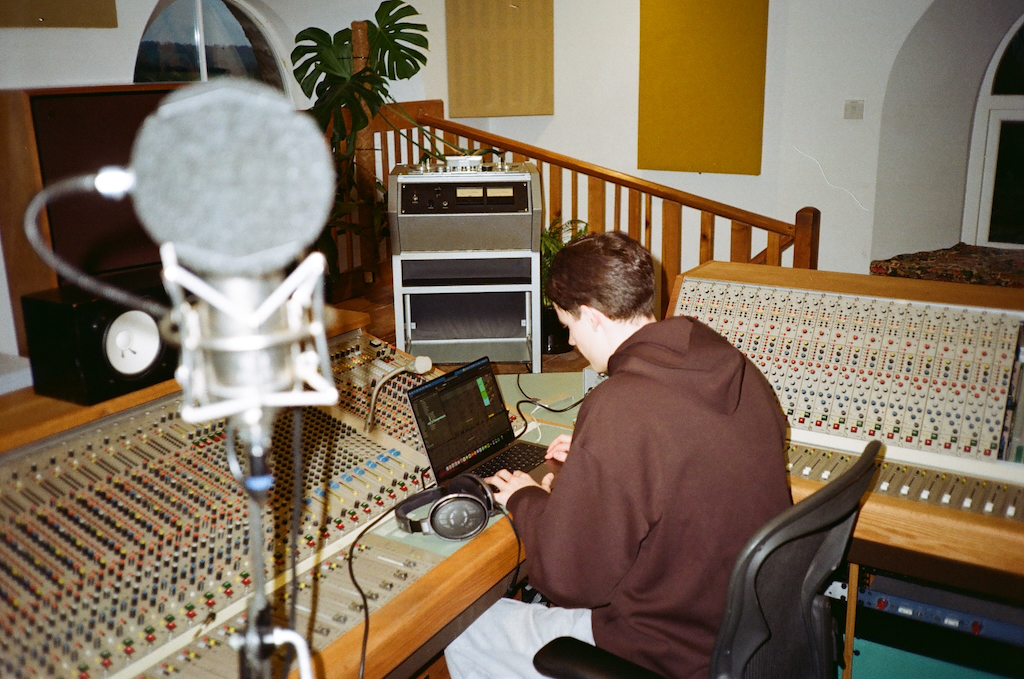
Eventually, I moved to Seoul to work as a self-employed producer. However, I started reaching a creative limit and felt the music scenes were losing their excitement. I just wanted to try some other things as well, and when I found out about Le Wagon, I thought, ‘Coding looks fun. Let me see what coding’s doing’, and flew to Tokyo to take part in the Le Wagon’s AI Software program.
Initially, my goal was quite specific: I wanted to use coding to develop plugins or virtual instruments (VSTs) for Ableton Live and build my own digital tools. However, once I started coding, I realized I had to refine the idea, and that’s what really changed my trajectory.
The bootcamp itself was a challenge, but I found that learning programming languages felt similar to the workflows I used in music software; for me, learning Ableton Live felt like learning Ruby. I loved the world-building aspect of development, which reminded me of how directors use tools like Unreal Engine for music videos. For my final project, I stayed within the music realm and helped build an AI-powered karaoke app to provide personalized recommendations based on your specific taste.
During the whole bootcamp, I was thinking about how I could use what I was learning to build something, so I actually started building a project while I was still a student.
Initially, the idea was just storage for DAW files, but I realized that wasn’t the right path. I did more research and kept coming back to my frustration with how gated the music industry is; publishers and organizations often benefit from this lack of transparency.
And this is how an idea for handa was born. We perform forensic royalty analysis to identify misregistered tracks that have slipped into global pools of unclaimed royalties. Ensure every song is correctly registered so that money reaches the artist instead of sitting in those pools forever.
I eventually applied to Antler Korea, a startup generator. The program was an intense six-week marathon where I worked so hard I actually got sick during the final week. It paid off, though. Antler believed in the vision for handa and offered us investment.
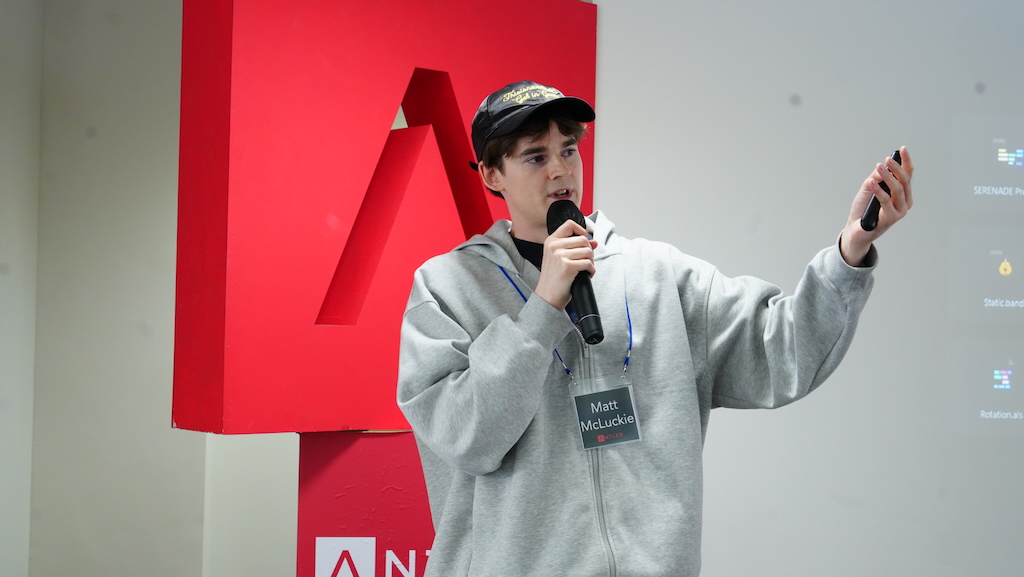
At the moment, partnerships are our biggest challenge. I have a great partnership for US mechanical royalties and have the entire database in a digital warehouse to query. However, as a small team, it’s difficult to get access to organizations like Germany’s GEMA or expand into China for example. We’re currently focused on proving our model to gain that trust.
I would have been annoyed with myself if I didn’t at least try to see if this idea could work. Now, I’m just excited to see what happens next as we scale!
Thank you for your time, Matt! Wishing you and handa the best of luck.
Ready to change your life? Book a call with our advisor to discuss your goals or send an email to tokyo@lewagon.org!
Our online graduates had experienced self-learning online, so why did they decide to attend a

Since graduating from university in the UK, Mike was working as a recruitment agent for

We often hear that we are in an “data-driven world.” And in an era fueled

A week after finishing the bootcamp, I was offered two full-time Ruby developer roles, and

Last summer, Wadi, a former telecoms engineer, joined our web development training to learn how

The two founders of FastNotas looked at my Github profile and gave me a chance